Why I Love Old Houses in the Summer
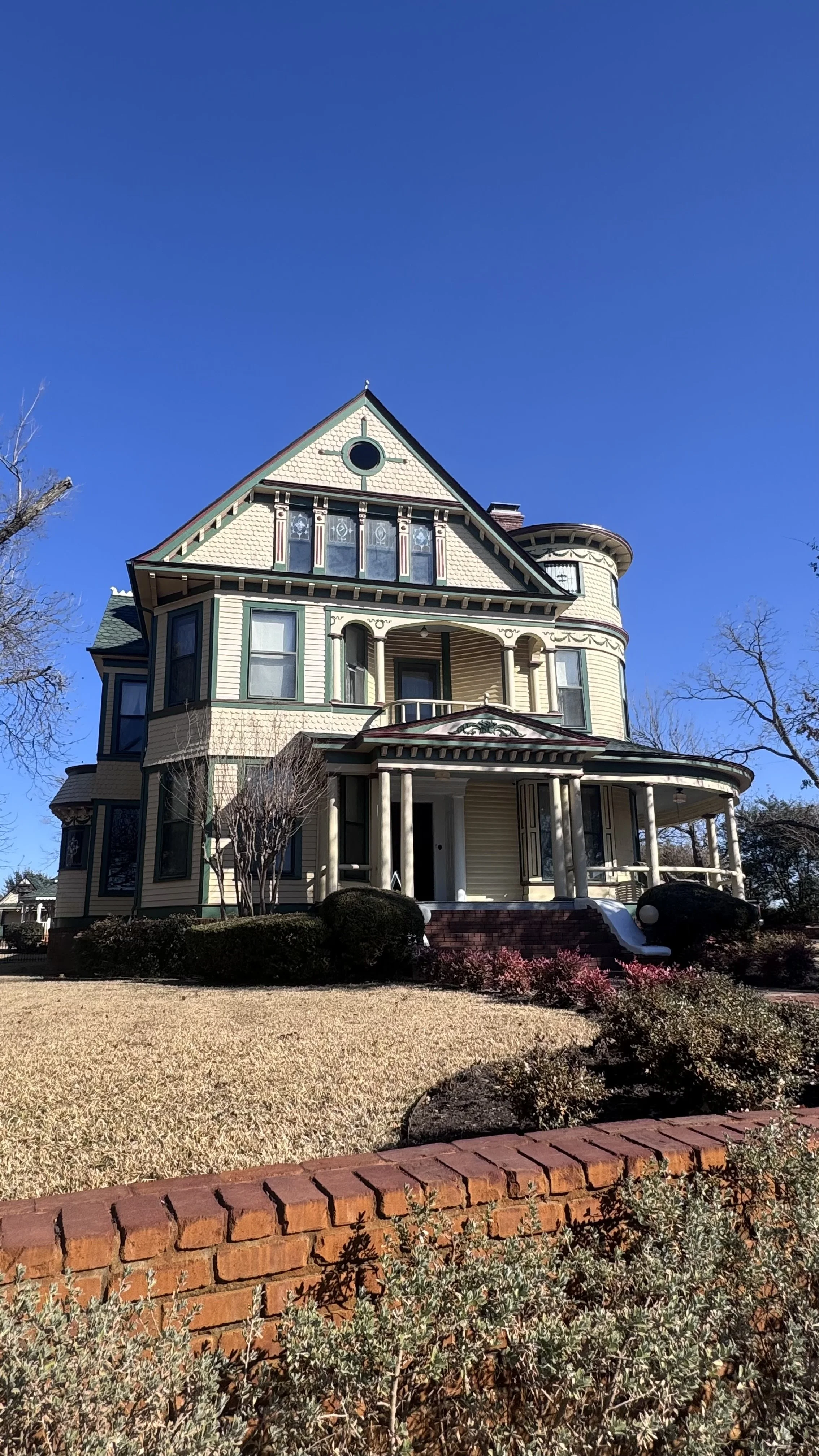
Colleyville
There’s something about an old house in the summertime that I just love.
Maybe it’s the wide front porch with a ceiling fan slowly turning overhead. Maybe it’s the tall windows thrown open to catch a breeze, or the giant shade trees that seem to have been planted with the sole purpose of protecting the house from the Texas sun.
Or maybe it’s knowing that all of those things are there for a reason.
Before central air conditioning became commonplace, houses had to work a lot harder to keep people comfortable. And in Texas, where summer heat is nothing new, that meant homeowners and architects had to get creative.
Old houses were designed to work with the climate—not simply fight against it.
The Porch Was More Than Just Pretty
One of my favorite things about historic houses is the front porch.
Today, we often think of a porch as an architectural feature—a charming place for a couple of rocking chairs, a wreath on the door and maybe a glass of sweet tea.
But historically, porches served a much bigger purpose.
A deep porch created shade along the front of the house, keeping direct sunlight off the windows and exterior walls. It also created a comfortable transition between the outdoors and indoors.
And before air conditioning, that shaded outdoor space could be an important part of daily life.
The porch wasn't just decoration.
It was part of the cooling strategy.
Those Tall Windows Had a Job
Have you ever walked into an older house and noticed how many of the windows are unusually tall?
There's a reason.
Large, operable windows allowed homeowners to take advantage of whatever natural breeze they could get. Open windows on opposite sides of a house could create cross-ventilation, moving air through the rooms.
Some older homes even have windows placed in ways that make much more sense when you think about airflow rather than furniture placement.
And then there are transoms.
Those little windows above doors that we now absolutely adore?
They weren't just there to look cute.
They could be opened to allow air to continue circulating between rooms even when a door was closed.
It's one of those little details that makes me appreciate old houses even more.
High Ceilings Weren't Just Dramatic
I'll admit it: I love a dramatic old-house ceiling.
But those tall ceilings weren't necessarily designed just to make a room feel grand.
Hot air rises.
Higher ceilings gave that warm air somewhere to go, while windows and vents could help move air through the space.
When you walk into an old house with tall ceilings, big windows and a thoughtfully designed floor plan, you're looking at a house that was designed around the realities of living without modern climate control.
That's pretty amazing when you think about it.
Shade Was Everything
Before we had energy-efficient glass, smart thermostats and modern insulation, one of the best ways to keep a house cool was simply to keep the sun off of it.
That's where trees, porches, awnings and roof overhangs came in.
And this is one of the reasons I absolutely love mature trees around historic homes.
That giant oak in the front yard isn't just beautiful.
It may have been providing shade for the house for decades.
There is something incredibly special about a landscape that has grown alongside a home.
Old Houses Were Built Around the Way People Actually Lived
One of the things I love most about historic homes is that their design tells us something about the people who lived there.
Before air conditioning, people adjusted their routines around the weather.
They might sleep with windows open, spend evenings on the porch, gather in rooms with the best airflow, or retreat to the shadiest side of the house during the hottest part of the day.
The architecture reflected that lifestyle.
And even though we now have the luxury of central air conditioning, you can still see those old ideas baked into the homes themselves.
That's What I Love About Historic Houses
I don't love old houses simply because they're old.
I love them because they tell a story.
A wide porch tells a story.
A transom window tells a story.
A screened-in porch, a row of tall windows, a deep roof overhang or a giant shade tree can all tell us something about how a house was designed and how people lived in it.
And that's one of the reasons I love being a Historic House Specialist.
When I'm looking at an older home, I'm not just looking at the finishes or asking whether the kitchen has been updated.
I'm looking at the why.
Why is that window there?
Why is the porch so deep?
Why are the ceilings so high?
Why does the house face this direction?
What was original? What was added later? And what can we learn from the way the house was designed?
Sometimes the quirks we want to renovate away are actually the things that make an old house so special.
So, this summer, the next time you see an old Texas house with a big porch, tall windows and a giant shade tree out front, take a second look.
There may be a lot more going on than meets the eye.
Vintage houses weren't just built to be beautiful.
They were built to live in.
And in a Texas summer, that's something worth appreciating.
— Tash