
How I Fixed Our Leaky Vintage Crane Beverly Sink (and Kept It Original)
If you own a vintage home long enough, you eventually learn two things:
Nothing is ever standard.
Old things usually just need the right fix, not an update or a full overhaul.
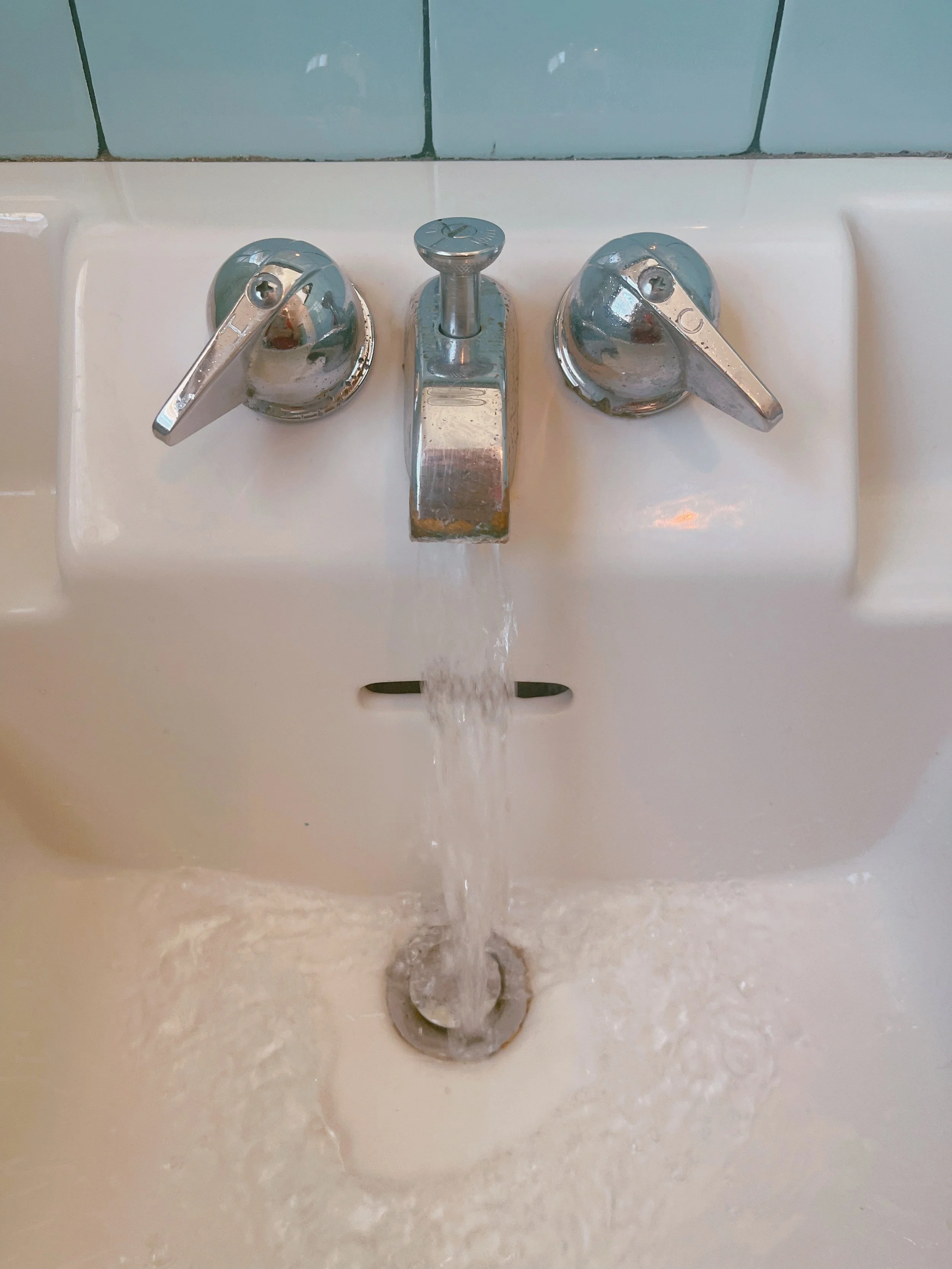
Our vintage Crane Beverly sink — an absolute classic — recently started leaking from the spout. Not a dramatic, headline-worthy situation. Just a slow, persistent drip. The kind that makes you question your sanity and hear phantom water sounds at night.
The First Attempt (a.k.a. Let’s Rule Out the Obvious)
Naturally, we called a plumber. He was kind, professional, and doing his best — but after a few repairs, the leak was still there.
That’s when we paused, regrouped, and realized something important.
Spoiler alert:
The problem was not below the sink.
The problem was at the faucet itself.
Which, frankly, felt personal.
The Real Culprit: Worn Crane Dial-ese Cartridges
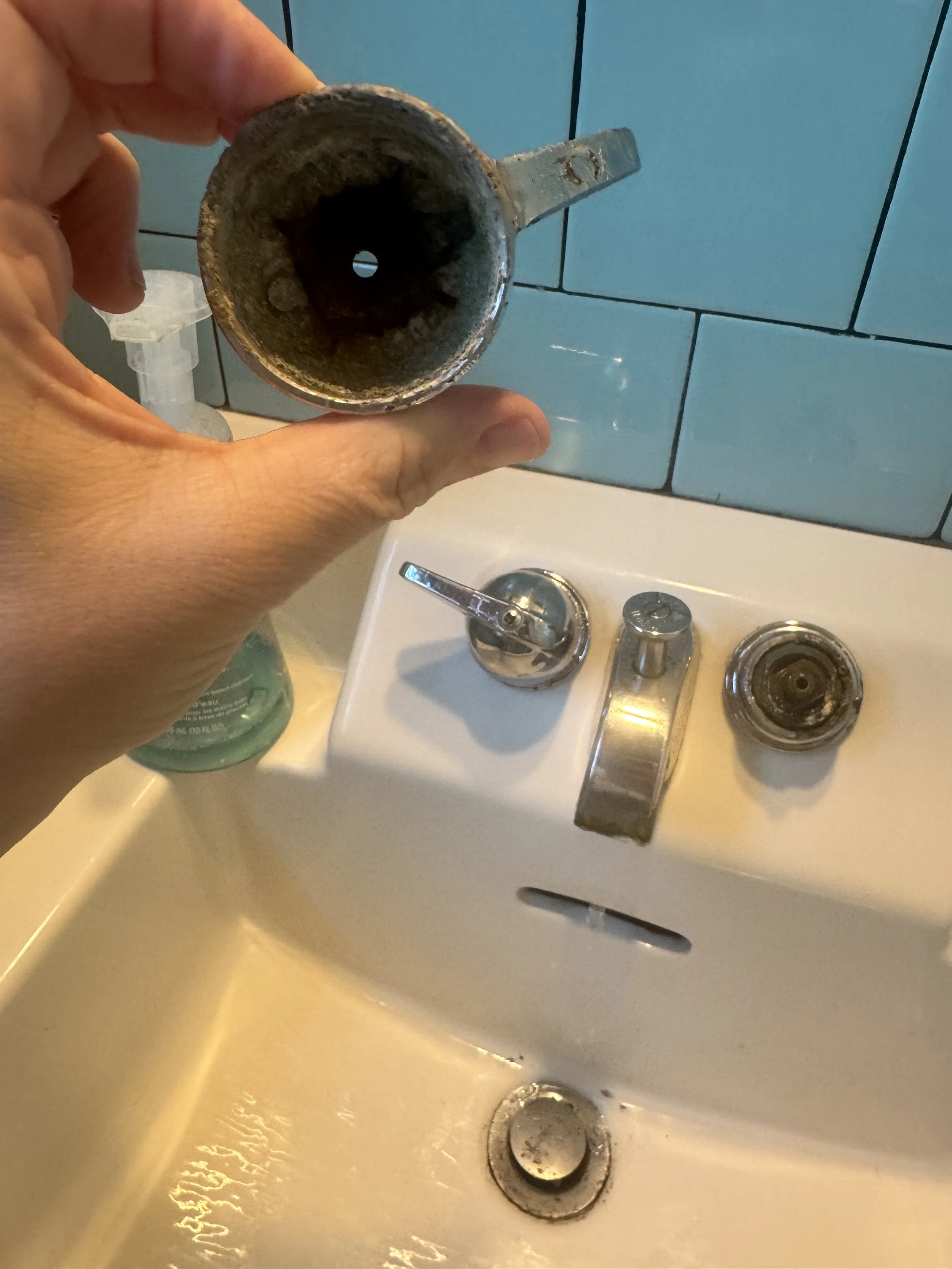
Once we focused on the faucet, the answer revealed itself. The leak was coming from inside the handles. The original Crane Dial-ese cartridges had worn-out rubber gaskets — which makes sense, considering they’ve been doing their job faithfully for decades.
Old rubber + modern water pressure = drip city.
And yes, if you look closely at the faucet, it almost appears to have a concerned expression. In hindsight, it was trying to tell me something.
Finding the Right Parts (Because They Do Exist)
One of the biggest misconceptions about vintage plumbing is that replacement parts are impossible to find. They’re not — you just need to know where to look.
I was able to source:
Original-style Crane Large Canopy Wing Handles (our originals were rusted out on the bottom and had seen enough)
All from 👉 bathroommachineries.com, which I cannot recommend enough.
Tools I Wish I Had From the Start
Let me be very clear:
Next time, I will absolutely buy the Crane “Dial-ese” Bonnet Nut Wrench.
The hardest part of this entire project was removing the old, rusted Dial-ese bonnet nuts using the tools we already owned. I couldn’t get a good grip, couldn’t get enough leverage, and briefly considered whether the sink was winning.
That specialty wrench would have saved time, frustration, and a small existential crisis.
YouTube, My Guardian Angel
Just when I thought I was losing my grip on reality, I found this incredibly helpful YouTube video showing exactly how to remove the old Dial-ese cartridges:
👉 Here.
Shoutout to Bathroom Machineries — truly. They saved my bacon. Seeing someone calmly do the thing I was struggling with was the reassurance I needed.
One Final Curveball
Of course, no vintage home project is complete without a plot twist.
One of the screws holding on the old wing handles was stripped, which meant it wasn’t coming out politely. I ended up having to drill it out.
Was it ideal? No.
Was it effective? Absolutely.
Which Sink Is Ours?
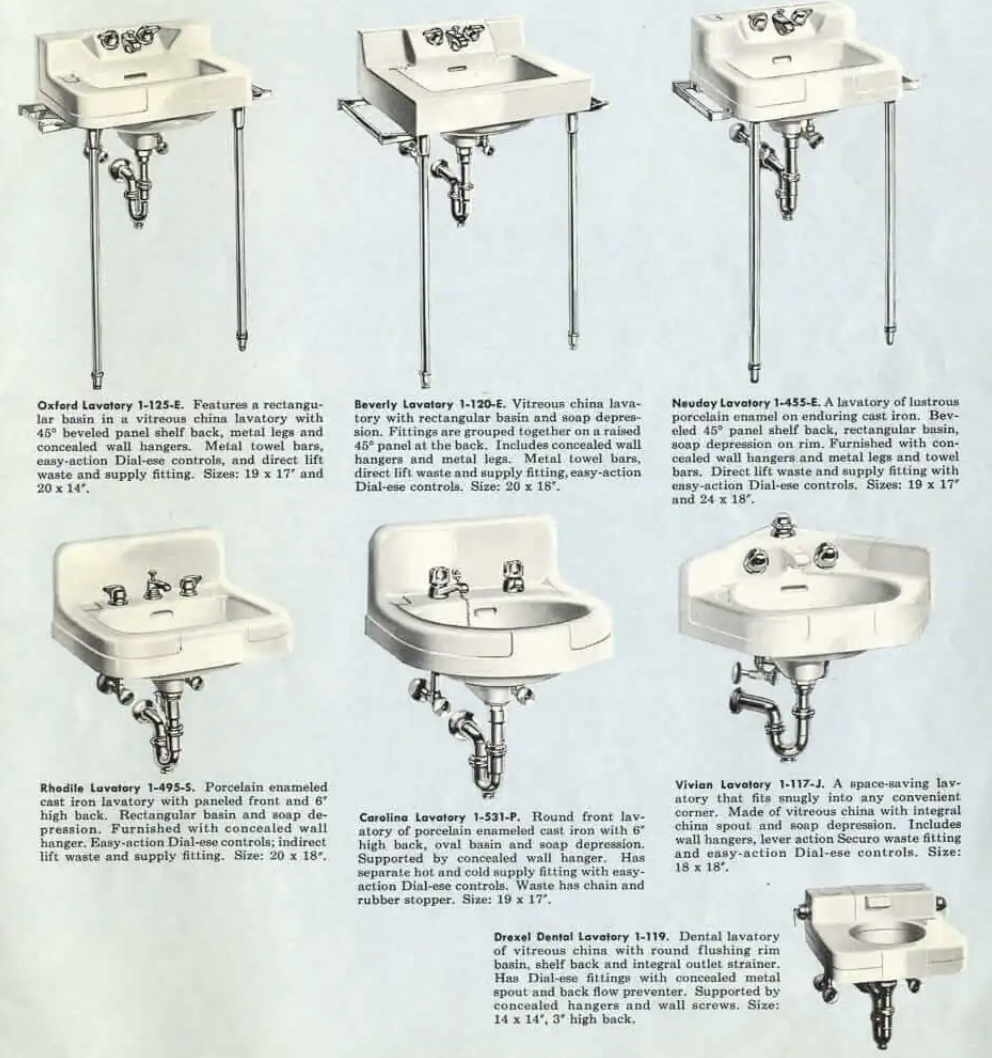
For reference, our sink is the Crane Beverly Lavatory 1-120-E without the legs — the second one shown in the example image. A timeless design and 100% worth preserving.
Final Thoughts
This whole experience was a reminder of why I love old houses:
They’re repairable.
They’re built to last.
And most of the time, they don’t need to be replaced — they just need someone willing to listen.
If you’re dealing with a leaky vintage Crane sink, don’t panic and don’t rip it out. Chances are, it’s just worn gaskets, a few well-sourced parts, and a little patience standing between you and a perfectly functioning piece of history.
And maybe a specialty wrench.
Definitely a specialty wrench…..
* Turn off your main water supply before attempting any plumbing repairs.
This is not the time to test your reflexes or your homeowner’s insurance.
